A simple roadmap for young people who want to create meaningful lives, strong communities, and real stability in an uncertain world. It combines the best advice from multiple perspectives — practical, civic, cultural, and strategic — into one plan.
The key: Show up for each other. Everything else builds from that.
The Four Phases (15 Years)
1. Years 1–3: Foundation — Show up, build trust, start small rituals.
3. Years 7–10: Infrastructure & Resistance — Create alternative systems: housing, work, mutual aid, local politics. 4. Years 11–15: Scaling & Legacy — Mature what works, pass it on, and become the elders.
Expanded Playbook
Years 1–3: Foundation-
Honor invitations. If someone bothers to invite you, show up. This is the root of trust.
Create weekly analog gatherings. Cards, dominoes, coloring books, potlucks. Cheap, simple, in-person.
Make them non-negotiable.
Groups that support each other, keep memory, and share responsibility.
Skill-sharing. Start exchanging knowledge: cooking, fixing bikes, coding, gardening.
Years 4–6: Skills & Stewardship
Learn the unautomatable. Trades, caregiving, land-tending, cooperative governance. Skills AI can’t replace.
Volunteer with intent. Choose placements that teach systems (housing co-ops, food justice, hospice).
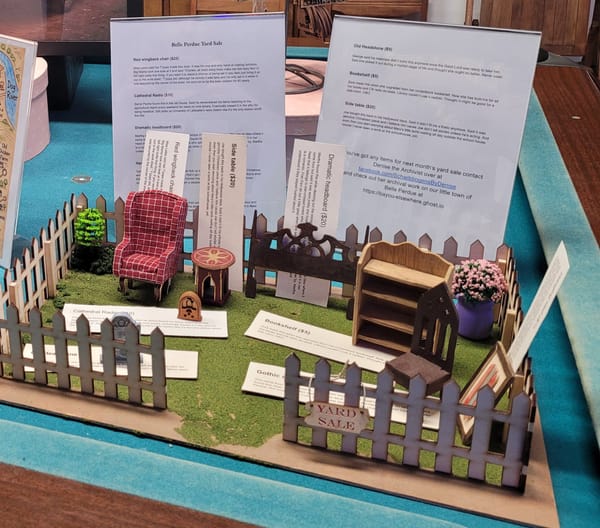
Archive your work. Build a local “codex” of rituals, lost spaces, and community memory. Share it with younger peers.
Start cooperative living. Rent houses together, split costs, practice governance.
Years 7–10: Infrastructure & Resistance
Co-ops and land trusts.
Launch worker-owned businesses and community land trusts to reclaim housing.
Economic resistance. Create mutual aid funds, barter networks, time banks.
Teach each other to navigate debt and resist exploitation.
Enter local politics. Run for city council, school board, or join planning commissions.
Hold intergenerational councils. Gather youth, adults, and elders to share memory, grief, and vision.
Years 11–15: Scaling & Legacy
Mature your systems. Co-ops, land trusts, and networks should now provide real security.
Spread the model. Launch incubators to help others replicate your success.
Cultural reclamation. Create festivals, rites of passage, and rituals that strengthen identity and belonging.
Mentor the next wave. Teach students and younger peers how to build what you did.
Steward the commons. Land, memory, relationships. Protect and pass them on.
Write it down. Leave codices, archives, or zines so your story doesn’t get lost.
Final Note
The system is not designed for you to thrive . It’s working as intended, just not in your favor. So don’t wait for it to fix itself.
Show up. Build small. Cooperate. Remember. Pass it on.
In 15 years, you can either be isolated in debt, or part of a community with housing, work, memory, and meaning.
The difference is whether you start showing up now